Pons R et al. The main objective of this study was to explore the role of accessibility for self-performed proximal hygiene measures around implants in relation to peri-implant health and disease.
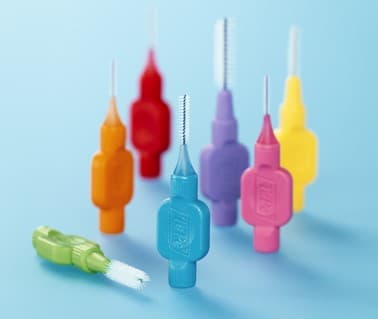
The results are based on 50 patients, 23 of which display adequate access for interproximal hygiene adjacent to their implants, and 27 showing inadequate access. Adequate access was defined as the patient being able to insert an interdental brush into the interproximal areas.
Poor access for proximal hygiene showed an association with peri-implant diseases, especially peri-implant mucositis. The implants in the current study had been in function for a relatively short time, 3-5 years, which indicates that the incidence and prevalence of peri-implant diseases might increase over time.
The study also looked into patients´ perception of information regarding peri-implant diseases and associated risk factors, as well as recommendations on oral hygiene measures in relation to their implants. The outcome was that both were perceived as insufficient.
In conclusion, the authors stress the importance of designing suprastuctures that allow access for self-performed oral hygiene measures. They also highlight the need for information regarding maintenance and the role of home self-care practice. Furthermore, information concerning signs of complications needs to be provided for the patient to self-monitor their peri-implant status. The reason is that peri-implant disease showed a statistically significant association to both the quality and quantity of information in conjunction with the implant therapy.